
Add Row
Add Element
cropper
update
Strategy Advantedge
update
Add Element
  • Home
  • Categories
    • Smart Living
    • AI Integration
    • Tech Trends
    • Home Automation
    • Eco Solutions
    • DIY Projects
    • Expert Insights
April 03.2025
2 Minutes Read

How Trump's Tariffs on Tech Could Reshape Our Digital Futures

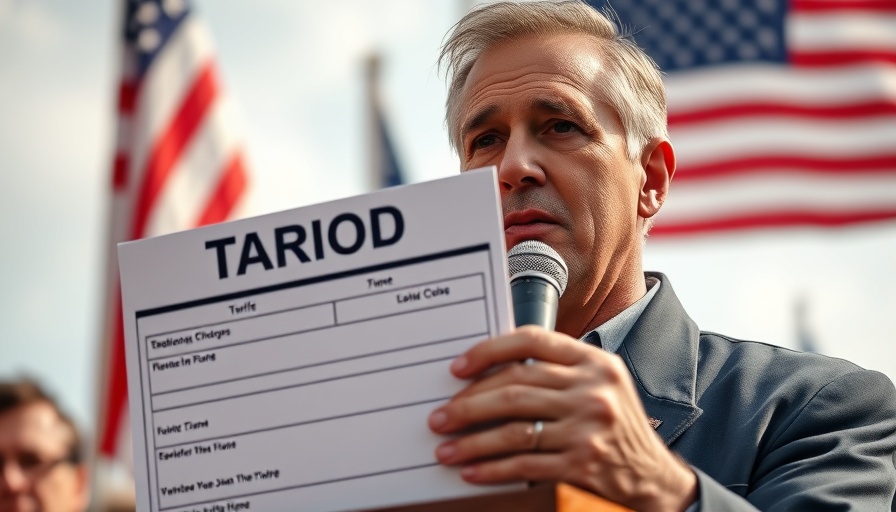
Speaker discusses tariffs impact on tech industry with a chart.

Understanding the Impact of Trump’s Tariffs on Tech

In a bold move, President Trump has imposed sweeping tariffs on a wide array of countries, including major trading partners such as China and Europe. These tariffs, starting at a minimum of 10%, have raised significant concern among tech giants like Apple and Amazon, who are heavily dependent on global supply chains. The immediate effect? A noticeable drop in their stock prices, signaling apprehension in the market.

Why Consumers Should Care About Tariffs

For the average consumer, Trump's tariffs could lead to higher prices on popular tech products. As companies like Apple continue to outsource manufacturing to countries like China and Vietnam, they are likely to pass on these increased costs to consumers. Surprisingly, experts point out that there is little evidence consumers are willing to absorb these higher costs willingly, particularly after a period of inflation under the previous administration.

Good News for Certain Tech Sectors

It’s not all doom and gloom. Surprisingly, some sectors may benefit from increased demand. Software firms, for instance, might see a rise in their services as companies look for local solutions to minimize the effects of tariffs. Additionally, semiconductor companies like Nvidia have been exempted from certain tariffs, igniting hopes of growth in specific areas of tech.

Predicting an Uncertain Future

Experts are raising alarms about the potential for a recession. Goldman Sachs has increased the probability to 35%, suggesting that the ripple effects of these tariffs might tilt the economy towards tougher times. With so much at stake, understanding these trade policies becomes crucial for consumers and producers alike.

As these changes unfold, it’s essential to pay attention to how they could reshape the tech landscape. Staying informed will help consumers make better decisions in an increasingly complex market.

Tech Trends

8 Views

0 Comments

Write A Comment

*
*
Please complete the captcha to submit your comment.
Related Posts All Posts
04.13.2026

Trump Officials Urge Banks to Embrace Anthropic’s Mythos Model for Cybersecurity

Update Trump Administration Pushes for Banks to Test Mythos Model In a move that has surprised many analysts, senior officials in the Trump administration have reportedly encouraged major banks to test Anthropic's cutting-edge AI model known as Mythos. This AI model is designed to detect vulnerabilities within cybersecurity frameworks, raising eyebrows in light of Anthropic's ongoing legal battles with the government. Why the Urgency for the Mythos Model? Federal Reserve Chair Jerome Powell and Treasury Secretary Scott Bessent summoned executives from top financial institutions, including JPMorgan Chase, Goldman Sachs, Citigroup, Bank of America, and Morgan Stanley, to discuss the deployment of Mythos. The urgency stems from the model's remarkable ability to identify security flaws, a quality that experts warn could lead to potential misuse. Notably, notwithstanding its intended purpose, the model could empower less scrupulous actors in the cyber realm. The Broader Context of AI and Cybersecurity These developments are taking place against a backdrop of rising concerns over cybersecurity. Recently, large-scale cyber-attacks have caused significant disruptions, as seen in incidents like the 2024 cyber-attack on London’s hospitals. Experts are increasingly alarmed that tools like Mythos might shift the balance of power, placing cyber capabilities in the hands of minimally skilled attackers. The heightened capabilities pose a serious risk that one security expert described as potentially "Y2K-level alarming." Legal and Regulatory Implications The relationship between Anthropic and the U.S. government is complicated by legal disputes currently playing out in courts. The Department of Defense's designation of Anthropic as a supply chain risk has added another layer of complexity. This legal tussle reflects deep divisions in how AI technology is managed and deployed, especially when national security is at stake. The future cooperation between tech companies and government agencies may hinge upon these cases, underscoring the need for a thoughtful approach to navigating AI’s challenges. Looking Ahead: What This Means for the Financial Sector As U.S. banks engage with Mythos, the implications for the financial sector are vast. The greater use of AI in cybersecurity may offer improved defenses against cyber threats, but it also highlights a pressing need for robust regulation. Without proactive measures, the same technology could easily be exploited by malicious threats, culminating in devastating outcomes for both institutions and individuals reliant on digital services. In conclusion, the push from Trump officials for banks to adopt the Mythos AI model could signal a significant shift in how the financial industry approaches cybersecurity. We are at a crucial juncture where regulations and ethical considerations need to keep pace with technological advancement. The question remains: will the safeguards be sufficient to mitigate the risks inherent in these powerful AI tools?

04.13.2026

Understanding Broligarchy: Lessons from the AMC Series The Audacity

Update The Rise of the Broligarchy: A New Era in Silicon Valley AMC’s The Audacity plunges into the turbulent life of Duncan Park, a narcissistic tech mogul whose privileged worldview and questionable ethics reflect the mounting outcry against the current tech elite. As Duncan navigates an imploding deal and a personal crisis, he unwittingly encapsulates the ongoing dilemma posed by Silicon Valley billionaires—the so-called broligarchs—who prioritize profit and status over social responsibility. This stark portrayal resonates with viewers especially as public scrutiny grows. Beyond Comedy: What The Audacity Reveals This show is more than dark comedy; it serves as a mirror to our societal issues. Duncan, with his ridiculous antics—including hiring an ayahuasca shaman to cope with business failures—embodies the troubling ethos of tech elites who manipulate systems for personal gain. Such representation invokes thoughts from Burcu Kilic and Renata Ávila's article, identifying the need for techno-ethical accountability as billionaires shift their allegiances for political leverage. Lessons in Parenthood and Power At the heart of The Audacity is a cautionary narrative about the repercussions of neglect and moral decay, notably in parental roles. Duncan's obsession with status and wealth leaves him blind to the chaos affecting his children. This reflection of parental anxiety connects deeply with broader sentiments about the growing disconnect between society’s wealthy elites and the everyday struggles faced by families. Will Broligarchy Define the Digital Future? The term “broligarchy” cleverly captures this era’s fusion of privilege and power, revealing a worrying trend where Silicon Valley leaders pursue self-interest at the expense of democratic ideals. In light of evolving political dynamics and the renewed alliances with controversial figures, it raises a pressing question: how will these tech tycoons influence the future of governance and societal values? A Call to Action: Resisting Broligarchy As viewers engage with this narrative, there is an underlying call to action. Society must demand accountability from these tech figures, scrutinizing their influence and its implications on public life. Understanding the intricate relationships between power, privilege, and accountability can empower individuals to foster a better future—one that prioritizes humanity over profits.

04.13.2026

How Interactivity and Community Drive Excitement at Trade Shows

Update What Excites Attendees at Trade Shows? A Deep DiveTrade shows are evolving rapidly, creating vibrant ecosystems that cater to dynamic attendee interests and industry trends. In the 2026 landscape, key components that spark excitement include interactivity, community connection, and immersive learning experiences. As we explore these aspects, it becomes evident that understanding attendee expectations is crucial for exhibitors who want to captivate a crowd.The Power of InteractivityToday's trade show participants crave hands-on experiences. They want to engage directly with the products, participate in live demonstrations, and even influence how products are showcased. Booths integrating technology, such as AI-powered engagement stations or immersive digital signage, resonate deeply with attendees. These approaches not only draw crowds but also foster longer engagement times through rich and engaging interactions.Building a Sense of CommunityCommunity remains a central tenet of successful trade shows. A welcoming atmosphere encourages networking and collaboration among attendees. Integrators and exhibitors alike can leverage this by creating spaces designed for informal gatherings, discussions, and shared experiences. By fostering connections, brands can transform mere interactions into lasting professional relationshipsThe Importance of EducationEducation has taken center stage at trade events. Attendees seek insights that add value beyond product displays. Learning opportunities can range from expert-led seminars to hands-on workshops. Integrating educational tracks creates a multifaceted experience where attendees leave not only with leads but also with actionable knowledge they can apply in their own work.Future Trends: A Glimpse AheadAs we look ahead, emerging trends like hyper-experiential booths and sustainability will dominate future trade events. The integration of sensory experiences and sustainable practices will not only attract eco-conscious participants but also enhance brand loyalty. Customized booths that adapt to individual visitor experiences and preferences are expected to set the stage for future innovations in trade shows.Engaging trade show attendees is not simply about showcasing—it's about revolutionizing the experience into something memorable and worthwhile. As the 2026 trade show landscape unfolds, understanding and implementing these trends can encourage greater engagement and ultimately drive success. Let's be ready to transform these events into extraordinary experiences!

Terms of Service

Privacy Policy

Core Modal Title

Sorry, no results found

You Might Find These Articles Interesting

T
Please Check Your Email
We Will Be Following Up Shortly
*
*
*