
cropper
update
Strategy Advantedge
update
  • Home
  • Categories
    • Smart Living
    • AI Integration
    • Tech Trends
    • Home Automation
    • Eco Solutions
    • DIY Projects
    • Expert Insights
March 18.2025
2 Minutes Read

Innovate Your Smart Home: Adding Human Detection with Radar Technology

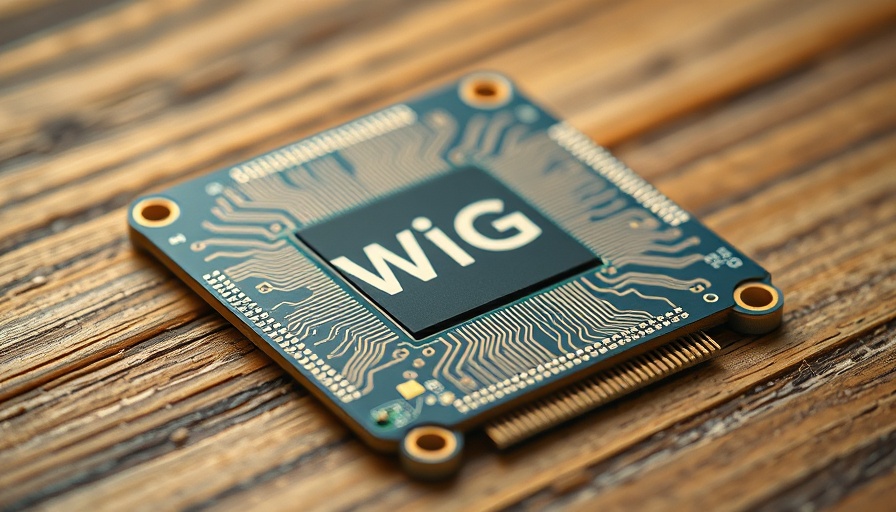
WiGig PCB chip for human detection in home automation.

How Radar Technology is Transforming Home Automation

The integration of radar technology into home automation systems marks a significant advancement in the quest for smarter living environments. These systems leverage radar waves, allowing for the detection of humans and the automation of home functionalities based on their presence. Unlike traditional sensors, which can be limited by environmental factors such as lighting or temperature, radar modules operate effectively in various conditions, enhancing reliability and privacy.

Understanding the LD2410B Radar Modules

Among the most notable advancements is the LD2410B radar module, utilized for its affordability and effectiveness in detecting human presence. This module incorporates an onboard microcontroller along with integrated antennas, which simplifies the setup process. With both binary output and UART capabilities, it can not only signal human detection but also provide detailed information regarding movements in a room. This data can be easily integrated with systems like Home Assistant, enabling seamless automation of lighting and other functions.

Overcoming Practical Setup Challenges

Setting up these radar modules can present certain challenges, particularly when it comes to housing the units. As noted by DIY enthusiasts, the radar's short wavelengths mean it doesn't penetrate solid objects well. Finding the right enclosure—one that maintains the radar's sensitivity without obstructing its functionality—can be a trial-and-error process. Clever modifications, such as crafting a bespoke, thin plastic bezel, can enable effective use in home automation projects.

Privacy Concerns and Technology's Role

As smart homes become equipped with advanced detection systems, privacy remains a paramount concern. mmWave radar technology, which is increasingly being integrated into home automation, respects user privacy by relying on the reflection of radar waves rather than capturing images or personal data. This innovation positions radar as not only a safe option for automation but also highlights its potential in personal health monitoring.

Future Innovations on the Horizon

Investments into mmWave technology suggest a burgeoning market for more sophisticated detection systems. Future iterations of radar modules could offer enhanced detection capabilities, optimized for diverse applications—from health monitoring to intelligent lighting systems that adapt to the user's needs. As developers continue to explore the potential of these sensors, users can expect more seamless integrations that will ultimately enrich their living experiences.

For anyone considering enhancing their home automation setup, investing in radar technology could be a game-changer. With its reliability, effectiveness, and commitment to privacy, integrating devices like the LD2410B into daily life can foster not only convenience but also a deeper connection with one’s living environment. Explore possibilities today and become part of the smart home revolution!

AI Integration

13 Views

0 Comments

Write A Comment

*
*
Please complete the captcha to submit your comment.
Related Posts All Posts
07.10.2026

GMEX Robotics' New U.S. Operations Leader: Insights on Market Expansion

Update GMEX Robotics Aims for North American Dominance In an era where automation and robotics are intricately woven into industry paradigms, GMEX Robotics' strategic appointment of Brian Hartzband as the head of U.S. operations signifies a bold expansion into the North American market. This move is not merely a corporate restructuring; it paves the way for GMEX to solidify its presence within a region that is rapidly evolving into a hub for artificial intelligence and robotics. Understanding the Role of Leadership in Tech Expansion Leadership plays a critical role in the growth trajectories of tech companies. Brian Hartzband brings a wealth of experience from his previous executive roles, particularly in operations and sales, making him well-suited to navigate the complex dynamics of the North American market. His understanding of regional demands and consumer behaviors could well accelerate GMEX's growth and innovation strategy. The choice of Hartzband highlights GMEX’s serious approach to fostering local partnerships and enhancing customer relationships. The Implications of Expanded Operations for Tech Innovation The presence of GMEX Robotics in the U.S. is not just an expansion of operations but is indicative of broader trends in the tech landscape. As companies like GMEX invest in resources and technologies, the potential for innovation increases, providing avenues for new products that could further integrate robotics into everyday processes. This shift towards automation reflects an ongoing global trend where businesses seek greater efficiency and scalability through technological integration. Robotics, once thought of as limited to manufacturing, is now branching out into diverse applications such as logistics, healthcare, and even everyday consumer products. Consequences for the Workforce: A Double-Edged Sword While GMEX's operations might lead to job creation in tech sectors, they also raise critical discussions about workforce displacement. The increasing adoption of robotics can lead to significant changes in employment patterns, prompting a need for re-skilling and adaptation among workers. Educational institutions and training programs must keep pace with this rapid evolution to prepare future generations for a workforce that demands higher technical proficiency. Future Predictions: What Lies Ahead for GMEX? With Hartzband at the helm, GMEX Robotics is poised not only for growth in market share but also for leadership in ethical practices surrounding the deployment of automated technologies. As the public becomes more attentive to data privacy and ethical implications, companies that prioritize these concerns will likely stand out. GMEX’s commitment to aligning their operations with ethical standards could enhance their brand reputation and consumer trust. Call to Action: Stay Informed on Robotics Trends! As GMEX Robotics charts its path in North America, it’s vital for tech enthusiasts and industry stakeholders to stay updated on the latest trends and breakthroughs in robotics and automation. Keep an eye on developments in the industry to fully grasp how these advancements will impact various sectors and our daily lives.

07.08.2026

Exploring the Crawl, Walk, Run Automation Model by Robust.AI

Update Revolutionizing Automation: The New Model Unveiled by Robust.AI The recent announcement from Robust.AI regarding their "Crawl, Walk, Run" automation model signifies a pivotal moment in the world of artificial intelligence. Designed to streamline the deployment of automated systems, this framework provides a structured approach to integrating robotics in various sectors. The ShipLab deployment in Vista, California, serves as a primary example, showcasing how companies can progressively adopt advanced technologies. What Does the “Crawl, Walk, Run” Model Mean? At its core, the "Crawl, Walk, Run" model encourages businesses to take a gradual approach to automation. The metaphor encapsulates the stages of learning and adapting. In the 'Crawl' phase, companies experiment with basic pilot projects, ensuring foundational knowledge of robotics and AI tools. Transitioning to 'Walk' involves scaling up these technologies and integrating them into existing processes. Finally, the 'Run' phase represents full deployment, allowing businesses to realize the extensive benefits of their automation investments. Significance of ShipLab Deployment The ShipLab venture in Vista highlights the model’s practical implications. It is here that organizations can adopt the automation strategy without overwhelming their existing systems. Encouraging a focus on incremental integration allows businesses to learn as they scale these technologies, ultimately leading to more effective and efficient operations. The Broader Impact on Industry and Economy This new approach is not just about technological efficiency; it also carries significant implications for workforce dynamics and economic landscape. As robotics become more prevalent through gradual implementation, employees may find themselves in roles that focus more on collaboration with technology rather than on traditional tasks. This shift could lead to a substantial transformation in job requirements, necessitating a re-evaluation of training and educational resources to prepare the future workforce. Future Insights and Predictions Looking ahead, the deployment of the "Crawl, Walk, Run" model could reshape industries ranging from manufacturing to logistics. As more organizations adopt this structured approach to automation, we might witness accelerated innovation cycles, with companies quickly pivoting and adopting new technologies as they become available. Ultimately, this could foster a competitive edge for firms willing to embrace the change. Takeaway: Embracing Change in Technology The unveiling of Robust.AI's model is a clear indication of the direction automation is headed. Companies are encouraged to appreciate the value that a systematic approach to adopting technological advancements can bring. Engaging with these new tools early on—especially through pilot programs—can help organizations not only stay relevant but also thrive in the evolving digital economy.

07.07.2026

Humanoid Robots Combat Elderly Social Isolation: Insights from the UK Pilot

Update Humanoid Robots: A Solution to Social Isolation In a striking collaboration, Realbotix and Bloom are launching a pilot program in the UK that deploys humanoid robots to tackle a pressing issue: social isolation among the elderly. With an increasing number of individuals in senior living communities facing loneliness, this initiative aims to provide companionship through advanced robotic technology. The Rise of Humanoid Robots in Care Humanoid robots, designed to mimic human behavior and interactions, are emerging as potential companions for seniors. These robots are equipped with sophisticated AI capabilities that allow them to engage in conversations, provide reminders for medication, and even facilitate recreational activities. Such initiatives suggest a significant shift in how we perceive care for the elderly—a movement towards integrating technology in everyday life for emotional and practical support. Understanding Social Isolation and Its Impacts Social isolation can have dire effects on health and well-being, especially in older adults. Research indicates that isolation can lead to an increased risk of various health issues, including depression, anxiety, and cognitive decline. By using humanoid robots as social facilitators, the project aims not only to reduce feelings of loneliness but also to enhance the quality of life for participating seniors. Technology Meets Care: A Growing Trend The initiative is part of a broader trend that sees technology playing an increasingly vital role in healthcare and social services. Similar programs globally have shown promise, with robots previously helping not just in companionship but also in physical support and mental health interventions. For instance, robots in Japan have been used both for assisting older adults with daily tasks and providing social interactions, effectively addressing loneliness through targeted interactions. Looking Ahead: The Future of Robots in Elder Care With the global population aging rapidly, the demand for innovative solutions to enhance elderly care is critical. The pilot project led by Realbotix and Bloom could pave the way for wider acceptance of robotic assistance. As communities and families embrace these technologies, discussions around their ethical implications, effectiveness, and acceptance will become increasingly vital. Critical Perspectives on Robotic Interventions While many view the integration of robots in elderly care as a breakthrough, critics raise concerns about reliance on technology for companionship. Questions arise about the emotional impact of interacting with machines versus human caregivers. Moreover, the unease surrounding data privacy and the ethical responsibility of companies deploying such technologies remains a hot topic, requiring ongoing scrutiny as this field evolves. For those interested in tech and health innovation, following the developments from the Realbotix and Bloom collaboration will be essential. Such projects not only highlight the intersection of technology and daily living but also challenge societal norms surrounding caregiving in an increasingly digital age.

cropper
update
WorldPulse News
cropper
update

Write a small description of your business and the core features and benefits of your products.

  • update
  • update
  • update
  • update
  • update
  • update
  • update

COMPANY

  • Privacy Policy
  • Terms of Use
  • Advertise
  • Contact Us
  • Menu 5
  • Menu 6

+15192429456

AVAILABLE FROM 8AM - 5PM

City, State

1795 Avon Dr, Belmont, ON

ABOUT US

Write a small description of your business and the core features and benefits of your products.

© 2024 CompanyName All Rights Reserved. Address . Contact Us . Terms of Service . Privacy Policy

Terms of Service

Privacy Policy

Core Modal Title

Sorry, no results found

You Might Find These Articles Interesting

T
Please Check Your Email
We Will Be Following Up Shortly
*
*
*