
Add Row
Add Element
cropper
update
Strategy Advantedge
update
Add Element
  • Home
  • Categories
    • Smart Living
    • AI Integration
    • Tech Trends
    • Home Automation
    • Eco Solutions
    • DIY Projects
    • Expert Insights
March 29.2025
2 Minutes Read

Should Businesses Fear Fake AI IDs? Explore the Risks and Responses

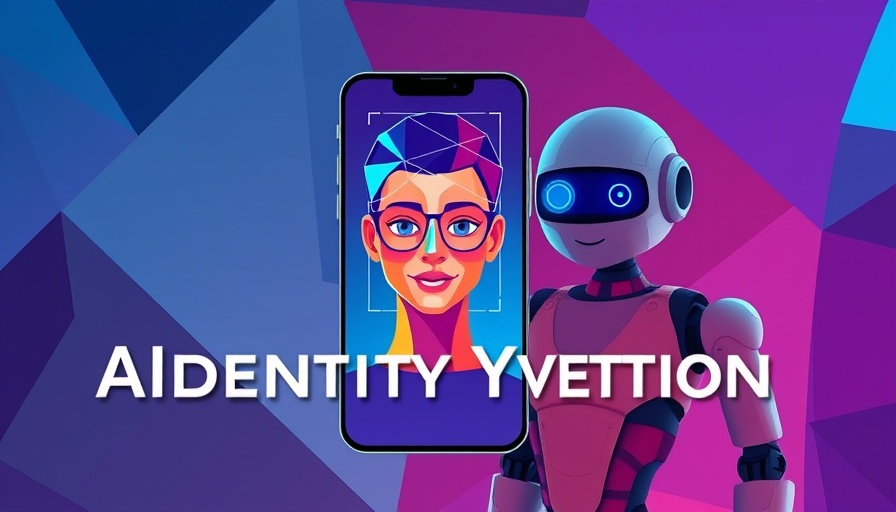
Illustration of AI identity verification and fake AI IDs impact.

Understanding the Dangers of Fake AI IDs

As the adoption of artificial intelligence technologies increases, so too do the possibilities for misuse and abuse. One alarming development in this sphere is the rise of fake AI IDs. These deceptive tools are increasingly sophisticated and pose significant risks for businesses, especially in areas such as digital identity verification. Understanding the implications of these AI-generated impostures can help organizations prepare for potential threats while also navigating the fast-evolving technological landscape.

The Growing Challenge of Digital Identity

In a world where transactions increasingly occur online, digital identity verification has become paramount for businesses trying to establish trust with customers. Fake AI IDs seek to undermine this trust by impersonating real identities or creating entirely fictitious personalities. The implications for a business can be dire: from reputational harm to the threat of financial fraud or regulatory scrutiny, the consequences of ineffective identity checks might be severe. Implementing strong identity verification protocols is crucial.

Insights from Technology Experts on AI ID Risks

Experts in the field stress the need for businesses to remain vigilant against the misuse of AI technologies. For instance, Dr. Lisa Holloway from Tech Ethics Lab notes that organizations must not only adopt advanced verification tools but also educate their workforce on the potential exploitation of AI. Firms should prioritize collaborative approaches, engaging with tech providers that prioritize ethical AI deployment.

Counterarguments: Are We Overreacting?

While the threat posed by fake AI IDs is indeed significant, some industry voices argue that the panic surrounding it might outweigh the actual risks. Such viewpoints suggest that as businesses enhance AI detection capabilities alongside traditional measures, the overall security landscape can adapt to these challenges seamlessly. However, proponents of heightened caution argue that underestimating the risks posed by AI can lead to lax security measures and ultimately leave businesses more vulnerable.

The Future of AI and Identity Verification

Looking ahead, the evolution of AI technology will undoubtedly continue to challenge existing identity verification processes. With ongoing advancements in machine learning and AI capabilities, businesses must stay proactive in adapting their security protocols. It’s crucial to invest in innovations like blockchain technology and biometric measures to establish more secure identity authentication systems.

Actionable Insights for Businesses

Given the risks associated with fake AI IDs, businesses should take concrete steps to bolster their digital security frameworks. Implementing multi-factor authentication, utilizing AI and machine learning for real-time identity verification, and keeping abreast of the latest security technologies will serve as critical strategies. The incorporation of ongoing employee training programs regarding potential digital threats can foster a more vigilant organizational culture.

As concerns about artificial intelligence stray beyond the realm of simple innovation towards potential ethical quandaries, businesses find themselves at a pivotal crossroads. Embracing robust security strategies enables organizations not only to defend against risks but also to solidify consumer trust in a technology-driven world.

AI Integration

6 Views

0 Comments

Write A Comment

*
*
Related Posts All Posts
02.24.2026

Revolutionizing Retail: VenHub's Self-Diagnosing Robotics for Uninterrupted Service

Update The Rise of Self-Diagnosing Robotics in Retail VenHub Global is leading the way in the retail landscape with its cutting-edge self-diagnosing robotics technology, aimed at enhancing uptime and operational efficiency across its network of Smart Stores. This innovative feature ensures that each robotic component, from robotic arms to intelligent refrigerators, can automatically detect performance issues and execute service protocols without causing disruptions to customers. Thus, shopping remains seamless and efficient for users at all times. Understanding Smart Health Monitoring What sets VenHub’s new system apart is the Smart Health Monitoring capability. This sophisticated predictive maintenance system is essential for continuous performance tracking of various robotic components. It alerts operators before issues occur, allowing for timely interventions that help in keeping operations smooth and efficient. By implementing such advanced monitoring, VenHub positions itself to proactively handle service needs rather than reactively, which could drastically reduce downtime. The Bigger Picture: Automation in Retail This transformative robotic technology signifies a broader trend in retail automation where operational efficiency is paramount. As shoppers increasingly embrace digital solutions and contactless transactions, the role of technology in retail evolves. VenHub’s strategy is not merely about survival in a competitive marketplace; it reflects a forward-thinking model that anticipates market demands and leverages technology for better consumer experiences. The Importance of Continuous Operation VenHub's autonomous Smart Stores operate around the clock, addressing consumer demands for convenience. With offerings ranging from snacks to travel essentials, these stores cater to shoppers needing instant gratification without the constraints of traditional store hours. Through robotics and automation, VenHub achieves a model where human presence is not required, thus reducing costs and enhancing consumer convenience significantly. Envisioning the Future of Retail As VenHub accelerates its expansion in major markets, the introduction of self-diagnosing robotics may well become a standard in the retail industry. This technology doesn't just improve safety and reliability but also opens doors for innovative shopping experiences. Other companies may follow suit, adopting similar technologies to improve operational efficiency and customer satisfaction. Embracing Change: What It Means for Stakeholders The implications of VenHub’s advancements extend beyond operational dynamics; they impact investors, consumers, and the retail workforce. Investors are likely to keep a close eye on how this new technology can potentially enhance profit margins by reducing costs associated with manual oversight. Meanwhile, consumers benefit from improved shopping experiences with less transaction friction. As for the workforce, there may be a pivotal shift towards tech-oriented roles, necessitating reskilling and adaptation within the retail labor force. As technology continues to redefine retail practices, staying informed and analyzing trends like those set by VenHub will be crucial. By embracing advancements in automation and robotics, stakeholders can better navigate the rapidly evolving landscape of retail.

02.21.2026

How Coram’s AI-Driven Security Solutions Transform Indiana's Public Safety

Update Coram’s AI Revolution Enhances Indiana's Security LandscapeThe recent announcement that Coram has secured a statewide contract to provide AI-driven security solutions through the Educational Cooperative Purchasing Alliance (ECPA) stands as a significant step in modernizing safety across Indiana's public institutions. This partnership marks not only an economic collaboration but also a pivotal move toward embracing artificial intelligence in addressing pressing security challenges faced by schools, government buildings, and non-profits statewide.Streamlining Security with Cutting-Edge SolutionsAs highlighted by Tyler Carnathan, VP of Sales at Coram, the integration of advanced AI technology drives efficiency and rapid deployment in security enhancements. With features including cloud-based access control, real-time threat detection, and AI-powered video surveillance capabilities, Coram’s solutions promise to transform traditional security practices. This shift alleviates the extensive administrative burdens often associated with procurement processes, giving institutions quicker access to the essential tools needed to maintain safety.Supporting Community Needs through Cooperative PurchasingThe ECPA contract allows eligible institutions to procure security solutions without the cumbersome process of individual competitive bidding. This collaborative purchasing approach simplifies access to Coram’s resources and ensures that institutions can invest in better protection measures without overextending their budgets. The collective buying power of ECPA has become a game-changer for Indiana's public sector entities, making it easier to adopt advanced technology.Broadening Horizons for Public SafetyWith the increasing demands placed on security systems to be more sophisticated, Coram’s platform stands out by not requiring costly hardware modifications, thus ensuring that institutions can modernize their security infrastructure without financial strain. The cloud-native technology elegantly integrates with existing systems, allowing organizations to leverage powerful tools such as natural language video search and unified multi-site management.What This Means for Indiana’s FutureWith $30 million in funding and a rapidly expanding client base, Coram is poised to significantly impact Indiana’s security framework. As institutions begin deploying Coram's solutions under the newly established contract, we can expect enhanced safety and a proactive approach to managing threats in educational and public spaces. This long-term partnership indicates a mutual commitment to public safety and a response to evolving security demands.In conclusion, the rollout of Coram’s AI-driven security solutions through the ECPA not only heralds a new chapter for Indiana's institutions but also serves as a model for other states aiming to modernize public safety measures efficiently. The ongoing partnership reflects an understanding of the pressing need for advanced security in everyday environments, emphasizing that safety through technology is both necessary and attainable.

02.20.2026

Navigating the Signal Economy: How AI Turns Noise Into Insights

Update AI in the Signal Economy: Understanding the NoiseIn today’s fast-paced digital landscape, businesses are inundated with a staggering amount of data. With millions of signals transmitted every second—from financial transactions to employee communications—organizations are grappling with a crucial question: how to sift through this data to extract actionable insights? This phenomenon, dubbed the "signal economy," marks a significant shift in how we approach data analysis and decision-making.From Data Overload to Meaningful InsightsThe challenge is not the scarcity of data, but rather the overwhelming volume of it. Organizations are flooded with performance dashboards and reports, yet clarity remains elusive. The paradox of having access to more data than ever, but being less informed, has prompted a reevaluation of how we harness technological advancements like AI. Rather than just accumulating data, the focus has shifted to discerning which signals carry meaning and urgency.The fast-paced evolution of AI capabilities is laying the groundwork for transforming this data into streamlined actionable intelligence. According to industry projections, the enterprise AI market is set to explode from $24 billion in 2024 to an anticipated $150-200 billion by 2030. This shift is driven by organizations' increasing recognition of AI as essential for processing vast amounts of information and generating strategic insights.AI's Role in Deciphering SignalsAI technology has the potential to revolutionize our understanding of data by filtering the static to uncover valuable signals. Traditional analytics provide static snapshots of performance, but AI-powered insights deliver dynamic, real-time intelligence. Whether it’s predicting customer purchasing trends or identifying equipment failure patterns before they occur, AI's ability to find hidden correlations offers a distinct competitive advantage.The Demand for Speed in Decision-MakingAs business environments become increasingly competitive, the crux of the issue is evolving. While industries used to focus on data collection, the contemporary focus lies on how swiftly organizations can derive meaningful insights from this information. Companies now strive to transform raw data into actionable intelligence faster than their competitors. This places a premium on organizations' ability to rapidly analyze incoming data and make informed decisions—a capability enhanced by the deployment of advanced AI systems.Bottlenecks in the Decision-Making ProcessDespite having sophisticated tools at their disposal, many organizations still face bottlenecks in decision-making processes. Even once data is collected and analyzed, it often remains stuck in reporting layers or requires multiple layers of approvals, which can delay critical actions. In fast-moving markets, this lag can equate to missed opportunities.Future Insights: The Path AheadAs the signal economy develops, the question increasingly shifts from "How much data do we have?" to "How quickly can we identify what truly matters?" It’s clear that organizations that can harness AI's capabilities to shape real-time decision-making will lead the way into a digitally-driven future. Integrating AI into everyday functions will be vital not just for enhancing existing workflows but also in fostering a culture of continuous innovation.Conclusion: A Call to Embrace AI InnovationAs we explore the potential of AI in optimizing decision-making processes and enhancing organizational agility, the imperative becomes clear: businesses need to adopt a proactive approach. The rapid integration of technologies will not only redefine the landscape of the signal economy but open avenues for remarkable growth and transformation. Understanding and implementing AI insights today is crucial for businesses aiming to maintain a competitive edge in tomorrow's market.

Terms of Service

Privacy Policy

Core Modal Title

Sorry, no results found

You Might Find These Articles Interesting

T
Please Check Your Email
We Will Be Following Up Shortly
*
*
*