
Add Row
Add Element
cropper
update
Strategy Advantedge
update
Add Element
  • Home
  • Categories
    • Smart Living
    • AI Integration
    • Tech Trends
    • Home Automation
    • Eco Solutions
    • DIY Projects
    • Expert Insights
May 05.2025
2 Minutes Read

Understanding How Incoming Semiconductor Tariffs Impact Electronics

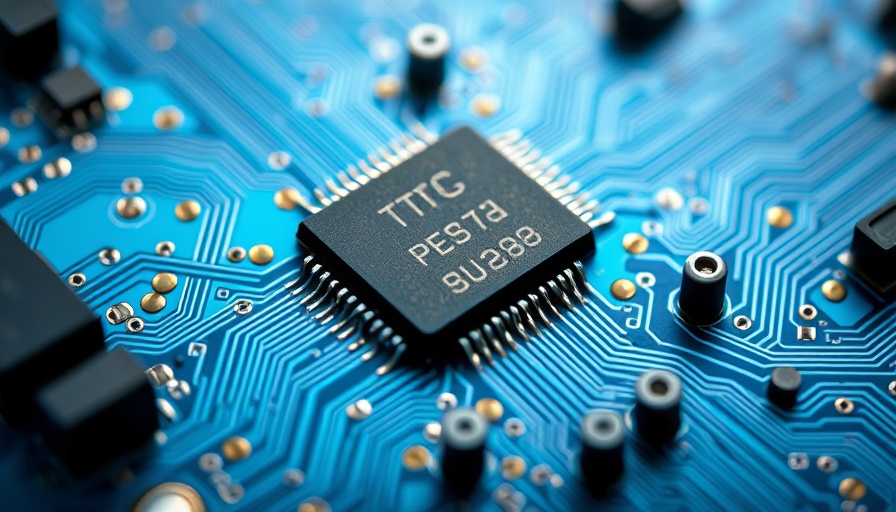
Close-up of a blue circuit board highlighting components, illustrating Incoming Semiconductor Tariffs.

New Tariffs on Semiconductors: What They Mean for the Electronics Industry

As the public comment window for the U.S. Section 232 semiconductor probe nears its conclusion, significant changes may be on the horizon for the electronics industry. The U.S. government's consideration of imposing tariffs on semiconductor imports could reshape the manufacturing landscape and the devices we use daily. With technology increasingly embedded in our lives, understanding these developments is crucial.

The Broader Impact of Semiconductor Tariffs

These forthcoming tariffs promise to eliminate existing exemptions for many electronics products. Tariffs could burden products that are vital to the custom integration industry, which relies heavily on a range of semiconductor-dependent devices, including smart TVs and advanced AV systems. If implemented, increased costs may lead to higher retail prices, ultimately affecting consumers.

Risks and Challenges in Supply Chains

There are ongoing concerns that tariffs may further strain supply chains, particularly considering previous disruptions caused by the COVID-19 pandemic. Many manufacturers are wary of repeating past mistakes that resulted in delays and shortages. Instead of tariffs, critics advocate for strategies like the CHIPS Act that promote domestic manufacturing without the economic pitfalls of punitive measures.

Potential Advantages of Strengthening Domestic Production

While tariffs might bolster domestic production in theory, there’s a compelling argument for backing initiatives that aim to increase local semiconductor manufacturing. Currently, a significant portion of chips are sourced from abroad, mainly Taiwan. If companies become more reliant on local production, the economy can become more robust against international supply chain disruptions.

The Future of Tariffs and Chip Manufacturing

The intersection of politics and technology is set to become even more pronounced as the U.S. government weighs its options. If tariffs are introduced, they may shift how companies approach their manufacturing strategies and where they source components. As consumers and industry stakeholders, it's important to remain engaged and informed on these changes as they will shape both the landscape of technology and the devices that enhance our smart living.

To stay ahead in this changing market, consider exploring more about how tariffs affect tech pricing and what future developments could mean for your own electronics. Knowledge is power, and being informed can help consumers make better choices in a rapidly altering landscape.

Tech Trends

15 Views

0 Comments

Write A Comment

*
*
Related Posts All Posts
02.24.2026

Cross-Border B2B Payments Revolutionized as Stripe and PayPal Back Xflow

Update Transforming Cross-Border Payments in India with Xflow The landscape of cross-border B2B payments in India is on the verge of transformation, thanks to the innovative fintech startup Xflow. With support from major players like Stripe and PayPal Ventures, Xflow recently secured $16.6 million to enhance its services aimed at simplifying international transactions for Indian businesses. A Shift in the Payment Paradigm Founded by former Stripe executives in 2021, Xflow targets the cumbersome processes traditionally associated with cross-border payments. While domestic payments in India have embraced digital solutions through platforms like the Unified Payments Interface (UPI), the international transfer space remains trapped in antiquated methods often governed by banks. As co-founder Anand Balaji noted, these outdated systems lack transparency regarding fees and timelines, creating a pressing need for a modern solution. Empowering Businesses Across Borders Xflow’s platform is designed to empower various business segments—from exporters to freelancers—by allowing them to manage international payments and foreign exchanges with unprecedented ease. In 2025, the company saw remarkable growth, processing nearly $1 billion in cross-border payment volume, thanks to its ability to facilitate transactions from over 100 countries in more than 25 currencies. Funding for Future Growth The recent investment furthers Xflow's mission to expand its customer base and enhance its product offerings in the cross-border payment domain. With total funding exceeding $32 million, the company aims to branch out into new areas such as Singapore and the Middle East, capitalizing on its existing momentum. These expansions not only diversify their market presence but also position Xflow at the forefront of innovative financial solutions for businesses operating internationally. The Role of Technology in Finance At the core of Xflow’s offering is an AI-based foreign exchange tool that helps businesses optimize currency conversions. This tool allows users to set target conversion rates, similar to limit orders in trading, thereby elevating the decision-making process around foreign exchange. With a forecast accuracy of about 92%, this innovation represents a significant advancement in financial technology. Conclusion: What’s Next for Xflow? As Xflow continues to develop its infrastructure and gain regulatory approvals globally, the future looks promising not just for the startup but for Indian exporters and freelancers who have long faced payment challenges in international markets. The support from prominent investors like Stripe and PayPal Ventures further bolsters the startup’s credibility in an industry ripe for disruption.

02.24.2026

Unlock Exceptional Audio Quality with $50 Off the Klipsch Flexus Core 200 Soundbar

Update Experience Audio Like Never Before with the Klipsch Flexus Core 200 It’s time to elevate your home entertainment experience without breaking the bank! The Klipsch Flexus Core 200 soundbar is currently available at a reduced price of $499 on Amazon, making it a fantastic entry point for audiophiles and casual listeners alike. For those yearning to escape the crackling sound of built-in TV speakers, this soundbar offers a rich audio experience with some added flexibility for future upgrades. Why Klipsch is a Game-Changer in Sound Quality The Klipsch Flexus Core 200 may lack some advanced features like side-firing drivers, but it compensates with impressive sound clarity. Its 44-inch wide design and powerful 2.25-inch drivers ensure you don’t compromise on audio performance. According to reviewer Ryan Waniata, the punchy bass and detailed sound are standout qualities that make this model a strong contender in its price range. Seamless Integration with Your Home This soundbar doesn’t just keep things simple; it enhances your audio setup with its wireless capabilities. You have the option to add Klipsch Flexus Surr 100 bookshelf speakers and a Flexus Sub 100, all connecting effortlessly through a custom dongle. This feature is perfect for those who want more from their sound system without being tied to a strenuous installation process. Pursuing Better Sound? Here’s Your Perfect Starting Point The Klipsch Flexus Core 200 is both an investment in superior sound and an opportunity to customize your music or movie-watching experience. Given its features, user-friendly mobile app, and compatibility with additional speakers, it sets a solid foundation for a rich audio environment. For anyone looking to enhance their home theater or simply enjoy music in a new way, now’s the time to take action and explore this fantastic deal. Ready to elevate your movie nights? Check out the Klipsch Flexus Core 200 while the deal lasts and discover a new realm of audio enjoyment!

02.23.2026

Can the Creator Economy Survive a Flood of AI-Generated Content?

Update The Creator Economy: Surviving the AI TsunamiThe landscape of the creator economy is undergoing seismic transformations, driven largely by advancements in artificial intelligence. Prominent figures such as YouTube sensation MrBeast are exploring new revenue streams, indicative of an urgent need to adapt in a rapidly changing digital environment. His acquisition of fintech startup Step underscores a growing trend among creators: diversifying their business models beyond traditional content creation.AI Responsibilities: Opportunities and Ethical ChallengesAs generative AI gains traction, the question stands: is speed undermining quality? While AI enhances productivity and provides innovative content creation tools, experts caution against what they term 'AI slop'—the influx of generic and unoriginal content flooding platforms. To safeguard originality in this content-rich ecosystem, creators must find a balance between leveraging AI's capabilities and preserving their unique voice. Insights from industry reports suggest a need to develop an 'AI stack'—a structured blend of human creativity and automated tools that can drive both efficiency and quality in content.Navigating New Content Dynamics Amid AIThe introduction of AI into content creation dramatically shifts the dynamics of how creators connect with audiences. Formerly, success hinged on unique storytelling abilities and standout production values; now, the capability to generate vast quantities of personalized content in real-time alters the competitive landscape. While platforms such as TikTok and its emphasis on authenticity have democratized content creation, AI allows for rapid scalability of such authenticity, which could dilute its perceived value. This juxtaposition poses interesting new challenges and potential opportunities for creators who understand how to harness these technologies effectively.Future Insights: What Lies Ahead?As we forge ahead, the question remains: will today's creators adapt successfully to the evolving paradigm? New models are emerging, with tools designed to help creators manage their output and engage their audiences meaningfully. For instance, subscription-based platforms like Patreon allow unique, personalized interactions—fulfilling the demand for authenticity while monetizing creator-fan relationships. However, the impending proliferation of AI-generated content may lead to a decline in individual creator visibility amidst overwhelming competition. Thus, creators will have to innovatively blend their unique storytelling with AI tools that complement rather than overshadow their craft.

Terms of Service

Privacy Policy

Core Modal Title

Sorry, no results found

You Might Find These Articles Interesting

T
Please Check Your Email
We Will Be Following Up Shortly
*
*
*