
Add Row
Add Element
cropper
update
Strategy Advantedge
update
Add Element
  • Home
  • Categories
    • Smart Living
    • AI Integration
    • Tech Trends
    • Home Automation
    • Eco Solutions
    • DIY Projects
    • Expert Insights
May 20.2025
2 Minutes Read

Waymo's Expansion of Robotaxi Service: What it Means for Silicon Valley

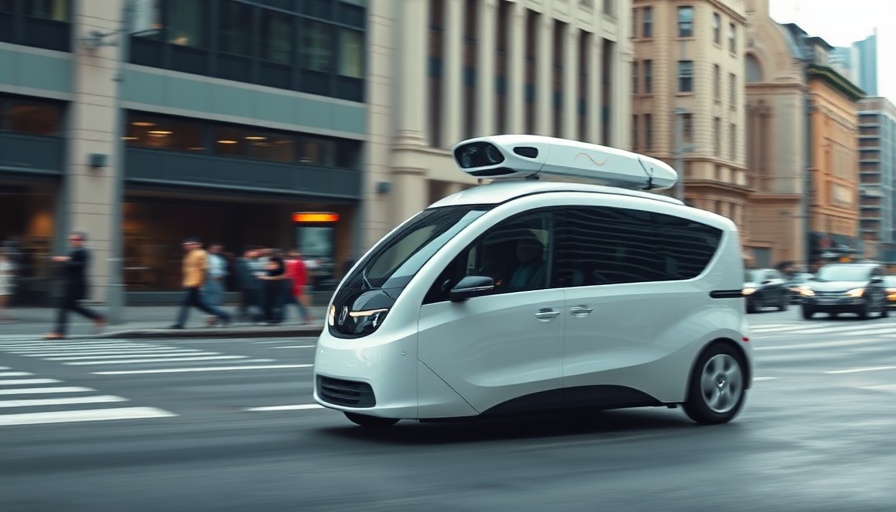
Waymo robotaxi service expansion depicted with sleek autonomous vehicle on urban street.

Waymo's Ambitious Expansion in Silicon Valley

Waymo, the self-driving taxi service operated by Alphabet, has received the green light from the California Public Utilities Commission (CPUC) to broaden its commercial robotaxi services into more areas of Silicon Valley. This expansion not only promises enhanced ride-hailing services but also reflects the transformative potential of autonomous technologies in our daily lives.

Current Operations and Service Area

Waymo currently operates its robotaxi service in San Francisco and dedicated zones within Silicon Valley cities like Mountain View, Palo Alto, and Sunnyvale, covering approximately 85 square miles. With the new approval, Waymo plans to increase its reach into the South Bay and practically all of San Jose, enhancing accessibility for residents in these areas. According to the company, they provide a staggering 250,000 paid trips weekly across several cities including Los Angeles and Austin. The integration of this technology could reshape urban transportation.

Future Prospects: Access to SFO

One of the most significant future strides for Waymo is its ambition to access the San Francisco International Airport (SFO). Although full autonomous operations within the airport aren't immediate, Waymo has obtained a temporary permit to begin mapping the area, signaling its commitment to progressively rolling out services there. This phased approach emphasizes the company's focus on strategic expansion while addressing technological and regulatory challenges.

The Impact of Autonomous Ride-Hailing Services

As Waymo broadens its operational footprint, implications for traffic, environmental sustainability, and urban mobility come into play. With increased access to driverless ride-hailing services, residents might experience reduced wait times and greater convenience, possibly leading to lower traffic congestion as fewer personal vehicles are needed.

Conclusion: The Road Ahead

Waymo’s vision for independence in transport not only reflects innovation but also raises essential questions about the future of mobility. As more communities prepare for the arrival of autonomous services, we can expect significant shifts in transportation dynamics, urban planning, and how we navigate our cities. Keep an eye on this evolving landscape, as Waymo's journey is just beginning.

Tech Trends

9 Views

0 Comments

Write A Comment

*
*
Please complete the captcha to submit your comment.
Related Posts All Posts
03.15.2026

The MacBook Neo Redefines Repairability: A Breakthrough for Tech Consumers

Update The Rise of Repairable Technology: MacBook Neo Leads the Way In an era where consumer electronics have often been designed with an emphasis on sleekness over serviceability, Apple's new MacBook Neo emerges as a beacon of change. Not only is it the most affordable MacBook in Apple’s lineup, but iFixit has also dubbed it "the most repairable MacBook in about fourteen years." This drastic shift is a welcome development, particularly as consumers grow increasingly concerned about waste and sustainability. Why Repairability Matters The heart of the repairability discussion lies in the design of the components themselves. The MacBook Neo’s battery is a game-changer: rather than being glued in place like its predecessors, it can be removed simply by unscrewing a tray held securely by 18 screws. This change alone has been met with cheers from repair advocates, as it not only makes battery replacements significantly easier but also helps extend the laptop's life cycle. This model showcases how a commitment to repairability can lead to a product that aligns better with both environmental standards and consumer needs. Milestones in Modular Design Notably, the MacBook Neo breaks new ground with a flat disassembly tree that enhances accessibility, facilitating repairs and part replacements without triggering the frustrating parts-pairing issues that have plagued Apple's offerings in the past. iFixit’s teardown revealed that the Neo allows for modular replacements of components without software restrictions — a previously sore point for many fix-it-yourself enthusiasts. It's a clear step forward in empowering consumers to maintain their devices, paving the way for a shift in the tech industry’s approach to design. Challenges Still Linger Despite these positive strides, the MacBook Neo is not without its shortcomings. It maintains soldered RAM and storage, which means that users are limited to the specs they choose at purchase – a common practice in recent Apple hardware. This particularly impacts long-term usability as technology progresses and more demanding applications emerge. As tech enthusiasts continue to seek modularity and customizability, the Neo’s limitations still tug at the heart of repairability advocates. Looking Ahead: A Future of Repairable Devices The MacBook Neo represents a significant turning point not just for Apple but for the entire tech landscape. As more consumers voice their preference for sustainable products, tech companies may find themselves compelled to prioritize repairable designs. With potential regulations on repairability set to rise, such as those seen in the EU, Apple’s proactive moves with the Neo may very well set a precedent for future innovations in hardware design. Embracing a culture of repair not only reduces electronic waste but also fosters a deeper connection between consumers and their devices. For those apprehensive about navigating repairs, tools and community resources are more accessible than ever, providing support for DIY enthusiasts. With the MacBook Neo, Apple not only leads in affordability but also in paving the way for a sustainable and repair-friendly future.

03.15.2026

How to Buy Used or Refurbished Electronics: Save Money and Help the Planet

Update Saving Money and the Planet: The Case for Used Electronics In today’s tech-driven world, the allure of shiny new gadgets is often hard to resist. However, buying used or refurbished electronics emerges not just as a savvy financial move, but also a sustainable choice. It’s estimated that most environmental impacts of electronic devices stem from their manufacturing processes. By purchasing pre-owned items, you can significantly reduce your carbon footprint while still enjoying modern technology. Understanding Refurbished: What It Really Means The term 'refurbished' can often be confusing. While it generally implies a product that has been tested and repaired, the specifics can vary greatly between sellers. It’s essential to read the fine print. Sometimes, what is described as refurbished might just mean that a device has been returned and checked for functionality. Familiarize yourself with terms like “used,” “reconditioned,” or even “open-box,” which indicates a product that has been opened but never used. By knowing these definitions, you can make informed decisions when navigating the second-hand market. Best Practices for Purchase When searching for the best deals, there are a couple of tips that can enhance your buying experience. First, always scrutinize the listing. Does it specify whether the item has a warranty? Are there adequate descriptions of its condition? Second, use a credit card for transactions; this can often provide you with some buyer protection. If there’s an issue after purchase, credit protection can alleviate the stress. Where to Find Quality Refurbished Electronics There are countless platforms where you can snag a good deal on refurbished electronics. Major retailers and manufacturers often have dedicated sections for refurbished items, providing warranties and return policies to ensure peace of mind. Additionally, consider refurbished specialists and charity stores that may offer quality devices at lower prices. Using these reputable sources can give you confidence in your purchase. Conclusion: Make a Positive Impact In a world increasingly focused on sustainability, buying used or refurbished electronics stands out as a significant action individuals can take to make a positive environmental impact. Next time you're in the market for a new device, remember the value not just in your financial savings but also in the eco-friendly benefits. Consider exploring trusted online marketplaces or local retailers for your next tech acquisition.

03.14.2026

Travis Kalanick Launches Atoms: A Robotics Revolution in Food and Mining

Update Travis Kalanick's Next Venture: Atoms and the Future of Robotics After stepping away from Uber in 2017 amidst a series of controversies, Travis Kalanick has launched a new company, Atoms, that aims to revolutionize robotics in diverse sectors including food, mining, and transportation. This pivot comes as Kalanick reinvigorates his entrepreneurial spirit, rolling his ghost kitchen initiative, CloudKitchens, into Atoms. What Are Specialized Robots and Why Do They Matter? Kalanick emphasizes that Atoms will not focus on creating humanoid robots, but rather develop "specialized robots" that optimize processes across industrial sectors. In a recent interview, he noted, "Humanoids have their place, but there's a lot of room for specialized robots that do things in an efficient, sort of industrial-scale kind of way." This reflects a growing trend towards automation that prioritizes efficiency and tailored solutions over general-purpose creations. Bridging Old Ventures with New Technology As part of his vision for Atoms, Kalanick seeks to build a "wheelbase for robots," positioning Atoms at the forefront of a robotics revolution that could shake up the way we think about industries like food production and resource mining. His previous experiences at Uber with self-driving technologies provide him with a unique perspective in this new venture. With Atoms, he aims for robots that not just serve but are integral to economic growth, charitably referred to as "gainfully employed robots." Potential Collaborations and Future Aspirations In addition to advancing automation, Kalanick has hinted at possible connections with other technology firms. He reportedly is considering acquiring Pronto, a startup specializing in autonomous vehicles, specifically for infrastructure in industrial settings. This could mark a pivotal shift in how industries utilize automotive technologies to minimize costs and enhance safety. The Legacy of Kalanick’s Leadership Despite the controversies that ultimately led to his resignation from Uber, Kalanick has shown resilience. In the launch announcement for Atoms, he expressed a determined vision for his comeback with emotional undertones: "I bled, but I did not perish. I got back up and fought my way back into the arena." This sentiment echoes a sensible understanding within entrepreneurial circles that setbacks can pave the way for future innovations. Connecting with the Community For those following Kalanick's journey, Atoms represents not just a new venture, but a reinvention. By tackling industries that rely heavily on labor, Kalanick is positioning Atoms to fulfill needs while also creating new job dynamics. He intends to show that robotics can be both innovative and responsible, forming a bridge between technology and societal needs. As Kalanick redefines his legacy through Atoms, observers are keen to see how this venture could impact the fields of automation and robotics, particularly in how specialized robots can transform traditional industries.

Terms of Service

Privacy Policy

Core Modal Title

Sorry, no results found

You Might Find These Articles Interesting

T
Please Check Your Email
We Will Be Following Up Shortly
*
*
*