cropper
update
Strategy Advantedge
update
  • Home
  • Categories
    • Smart Living
    • AI Integration
    • Tech Trends
    • Home Automation
    • Eco Solutions
    • DIY Projects
    • Expert Insights
April 26.2025
2 Minutes Read

How China's Solar and Wind Capacity Surpasses Coal: A New Energy Era

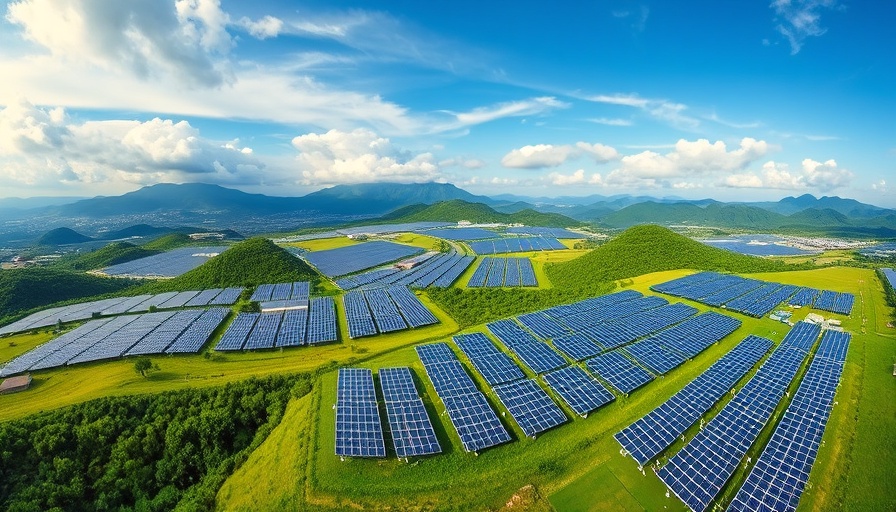
Aerial view of China's solar energy landscape against mountains.

China's Renewables Take the Lead: A Game-Changer for Energy

For the first time in history, China’s solar and wind energy capacity has surpassed that of thermal energy, predominantly coal-powered. As reported by the National Energy Administration, the nation boasts a cumulative installed capacity of 1.482 billion kilowatts of renewable energy, outpacing thermal capacity, which stands at 1.451 billion kilowatts. This monumental shift illustrates an accelerating transition towards sustainable energy sources, a critical component in China’s strategy to peak carbon emissions by 2030 and achieve carbon neutrality by 2060.

The Rapid Growth of Renewable Energy

Despite still deriving over half of its energy from coal, China is making significant strides in renewable power generation. In the first quarter of 2025 alone, newly installed photovoltaic and wind power capacity reached 74.33 million kilowatts, leading to an impressive increase of 22.5% in electricity generation from these sources. This growth trajectory suggests that energy generated through wind and solar will maintain its lead as installations keep rising rapidly, with predictions for 2,461 gigawatts of installed renewable capacity by 2030—doubling the output from 2022.

Global Impact: Setting the Standard

China's unprecedented contribution to global renewable energy has not gone unnoticed. It accounted for more than half of the global increase in solar and wind generation in 2024. As the world's largest electricity consumer, China’s ambitious targets have global implications—setting standards and influencing international energy policies. The swift enhancement of China's renewable portfolio is crucial in addressing climate issues, as it provided over 80% of demand growth met through clean generation in the past year.

Future Predictions: The Commitment to Clean Energy

China’s determination to combat climate change remains unwavering, irrespective of the shifting international landscape. President Xi Jinping reaffirmed the nation’s resolve to enhance climate efforts, stating they would not “slow down.” With the announcement of new Nationally Determined Contributions (NDCs) ahead of the COP30 Climate Conference, China is poised to galvanize its climate commitments across various greenhouse gases, not just carbon dioxide.

Local vs. Global Perspectives on Renewable Energy

While local air quality improvements and energy independence are key motivators for China's renewable push, the global ramifications are equally significant. As more countries look to China’s example, the potential for collaboration on clean technologies and shared methodologies could reshape global energy landscapes.

Conclusion: A Turning Point for the Energy Sector

This landmark victory for renewable energy marks a turning point not only for China but for the global energy sector at large. As the world watches, the implications of this shift could propel nations everywhere to accelerate their own transitions toward sustainable energy.

Eco Solutions

15 Views

0 Comments

Write A Comment

*
*
Please complete the captcha to submit your comment.
Related Posts All Posts
06.16.2026

Explore the Surge of Low-Voltage Lighting Solutions in 2026

Update Understanding the Rise of Low-Voltage Lighting SolutionsAs we step into 2026, the landscape for outdoor lighting is shifting significantly. Low-voltage lighting has transitioned from a niche market to a frontrunner in the industry, largely driven by the growing demand for energy-efficient and aesthetically pleasing outdoor solutions. In a recent conversation, industry expert Jordan Brooks from Environmental Lights highlighted the multitude of factors contributing to this surge in interest.The Need for Energy EfficiencyGlobal concerns regarding energy consumption continue to motivate consumers and businesses alike towards sustainable solutions. The low-voltage landscape lighting market is projected to expand from $4.8 billion in 2025 to an astonishing $9.2 billion by 2033, reflecting a compelling growth rate of 7.6%. A significant driver of this trend is the technological advancements in LED systems and smart lighting technologies that help reduce energy consumption while enhancing outdoor aesthetics.Smart Homes and Integrated SolutionsToday's homeowners are increasingly integrating outdoor lighting into their smart home systems, creating a seamless blend of functionality and design. As noted by lighting veteran Bob Gurkin, the shift towards AI-driven control systems is enabling not just energy savings but also personalized lighting experiences that adapt to individual behaviors and preferences. Predictive lighting can now 'anticipate' homeowner activity, making the use of lighting more intuitive and efficient.Design Innovations Transforming the MarketBeyond functionality, modern landscape lighting is becoming a vital component of outdoor design. Innovations such as color-changing fixtures and tunable white technology are enhancing user experience by allowing customization according to mood or occasion. Moreover, the trend of lighting as sculptural art is rising. Fixtures now serve as stunning visual elements in gardens and outdoor spaces, with designs inspired by nature and unique materials.Conclusion: A Bright Future for Outdoor SpacesThe future of low-voltage landscape lighting looks promising. With a growing emphasis on affordability, efficiency, and aesthetics, stakeholders in the lighting industry are well-positioned to capitalize on these trends. By adopting sustainable practices and investing in innovative designs, the market is not only promoting energy conservation but also enhancing the overall outdoor experience. As we embrace this new chapter in outdoor lighting, it’s essential for consumers and businesses to stay informed and engaged with the latest developments.

04.04.2026

How Smart Greenhouse Irrigation Transforms Agriculture for Future Sustainability

Update Revolutionizing Plant Care: How Smart Greenhouses are Changing Agriculture As the global population continues to surge towards the projected 10 billion by 2050, conventional farming methods are facing immense stress. Enter smart greenhouses—a pioneering solution that harnesses technology to enhance agricultural productivity, address the challenges of climate change, and conserve precious water resources. With cutting-edge features such as automated irrigation systems and real-time climate monitoring, these smart ecosystems are setting the stage for a sustainable agricultural revolution. Understanding Smart Greenhouse Technology At the heart of smart greenhouses are IoT-enabled devices that collect and analyze real-time data on a variety of environmental factors, including temperature, humidity, and soil moisture. This technology allows for precise adjustments that optimize growing conditions for plants. Unlike traditional methods, where farmers manually monitor and adjust these factors, smart greenhouses employ automation to regulate the environment, ensuring plants receive optimal care without excessive human intervention. Benefits of Implementing Smart Irrigation Systems One of the most compelling features of smart greenhouses is their intelligent irrigation systems. These systems utilize soil moisture sensors to assess the water needs of plants and adjust irrigation schedules accordingly, significantly reducing water waste. A recent study highlighted that greenhouse operations can cut water usage by up to 30% while elevating crop yield by nearly 25% through precision irrigation practices. This advancement not only contributes to resource conservation but also enhances the overall efficiency of agricultural practices. Harnessing Artificial Intelligence for Agriculture Integrating AI technology into greenhouse systems enhances their capability to predict environmental changes and adjust systems proactively. For instance, upcoming prediction models can analyze weather data, historical trends, and current sensor readings to forecast the microclimate of greenhouses. This not only optimizes conditions for plant growth but also prevents unnecessary energy consumption by adjusting heating or cooling systems based on real-time needs. Key Components of a Smart Greenhouse For optimal functioning, smart greenhouses comprise several essential components: Sensors: These are the backbone of greenhouse operations, providing real-time data on crucial parameters such as soil moisture, light intensity, and air quality. Automated Controls: These systems respond dynamically to the data gathered, regulating irrigation, ventilation, and temperature without human intervention. Data Management Systems: Crucial for integrating various data feeds, these systems manage cloud-based analytics for streamlined decision-making. Challenges in Adopting Smart Greenhouse Solutions Despite their many advantages, transitioning to smart greenhouse systems is not without its hurdles. Initial capital investment can be a significant barrier, as high-quality sensors and IoT infrastructure often require substantial funding. Furthermore, existing systems must be compatible with new technologies, necessitating careful integration to maximize efficacy. The Future of Smart Greenhouses Looking ahead, the integration of renewable energy sources and advanced AI will further enhance the sustainability of smart greenhouses. Innovations like solar-powered energy solutions and advanced machine learning algorithms promise to revolutionize how we approach agriculture, setting the stage for environmentally friendly practices that ensure food security. Conclusion: The Road to Sustainable Agriculture Smart greenhouses represent a remarkable convergence of technology and agriculture, paving the way for efficient, sustainable farming practices. By being proactive about resource management, these advanced systems not only boost crop yields but also play a vital role in combating climate change effects. As we advance into the future, embracing smart greenhouse technology will be crucial for addressing the pressing agricultural challenges ahead and ensuring a more sustainable world for generations to come. Discover how implementing smart greenhouse solutions can redefine agricultural practices and lead to improved resource efficiency and food security for our growing world. The future of farming is here, and it’s intelligent, sustainable, and smart!

08.06.2025

Why Understanding Methane Matters: The Powerful Greenhouse Gas

Update Understanding Methane: The Silent Contributor to Climate ChangeMethane, while not as widely discussed as carbon dioxide, plays a crucial role in our planet's climate crisis. As the second most powerful greenhouse gas, methane is responsible for approximately one-third of today's global warming. Recent studies indicate that atmospheric methane concentrations have surged by 256% since the pre-industrial era, underlining the urgency of addressing this issue.The Power of Methane Compared to CO2Methane’s potency as a greenhouse gas cannot be understated; over a 20-year span, it traps 86 times more heat per unit than carbon dioxide. However, methane’s existence in the atmosphere is short-lived compared to CO2, which can linger for centuries. This transient nature poses a unique opportunity: curbing methane emissions can yield rapid decreases in global warming effects.Sources of Methane Emissions: The Human ImpactHuman activities contribute significantly to methane emissions, accounting for about 60% of total emissions. The three major sources include fossil fuel extraction, agricultural practices, and waste management. Notably, fossil fuels alone are a dominant source, suggesting that advancements in energy technologies could substantially lower these emissions. For instance, existing technologies could potentially cut emissions from fossil fuel operations by 70%.Innovative Solutions to Reduce MethaneInterestingly, some low-cost solutions have emerged to combat methane emissions, particularly in agriculture. Research has shown that supplementing cattle diets with seaweed can lead to a staggering reduction in methane production—up to 82% in feedlot cattle. This measure not only aids in climate control but improves livestock health.Policy and Public Awareness: A Necessary ShiftDespite the clear potential for mitigation, only 13% of methane emissions are currently addressed by any form of reduced emissions policy. There is a critical need for comprehensive strategies to engage the public and policymakers alike. If the European Union, for example, could reduce meat and dairy consumption by just 34%, it might prevent around six million metric tons of methane emissions annually.Looking Ahead: A Call for ActionThe path toward reducing methane emissions is more than just about the science; it is about our choices and policies. We have the tools to make a significant impact, but they require collective action across various sectors. Ensuring that methane is tackled effectively will need not just technology but also a commitment from individuals and governments worldwide to reshape consumption patterns and enforce policies that favor emissions reductions.

Terms of Service

Privacy Policy

Core Modal Title

Sorry, no results found

You Might Find These Articles Interesting

T
Please Check Your Email
We Will Be Following Up Shortly
*
*
*